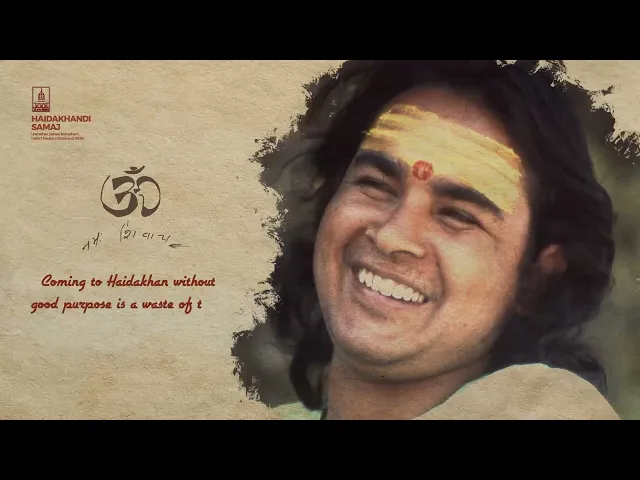

Our Lineage & Babaji
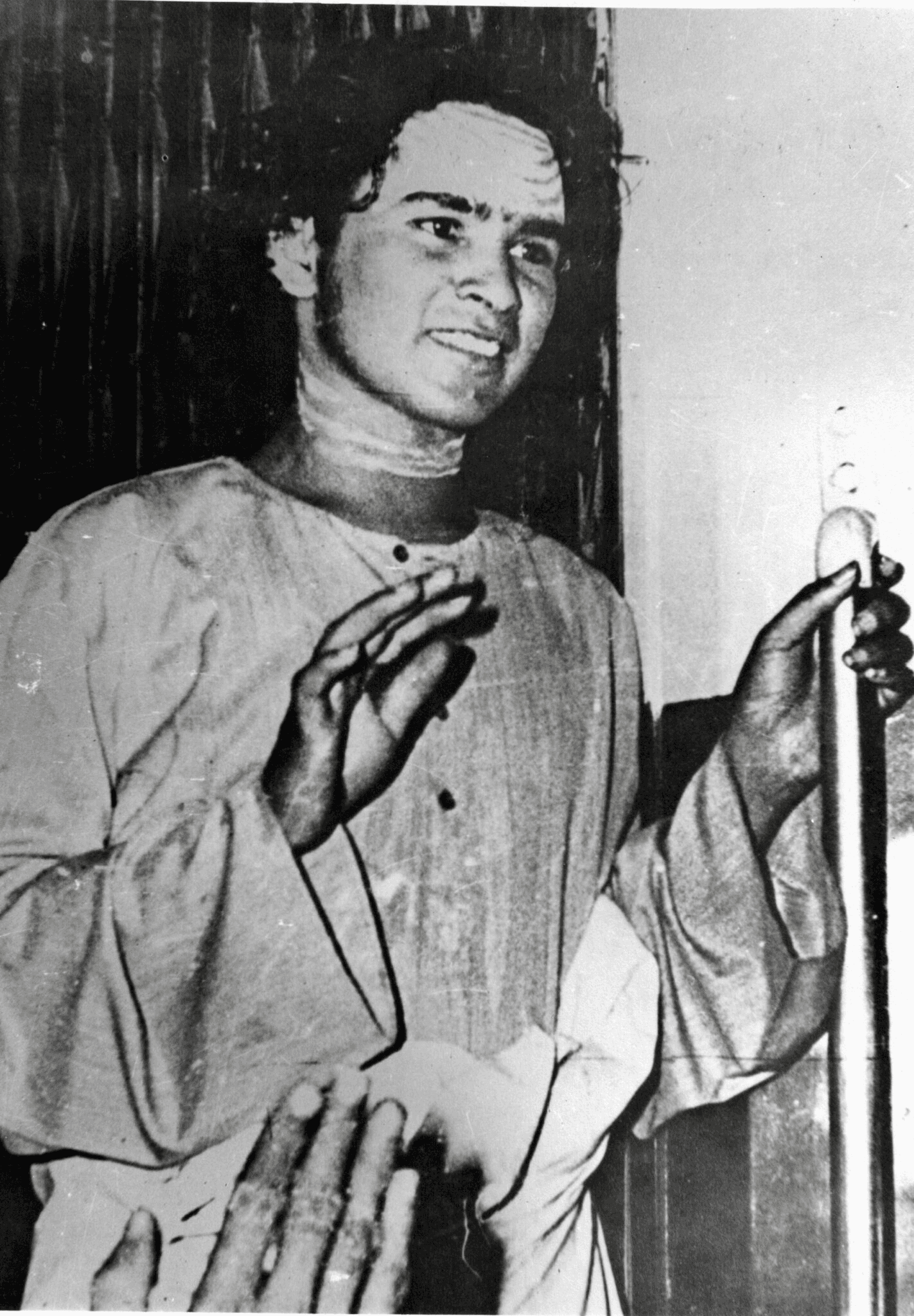
Pohoiki Ashram lives in the spiritual lineage of Shri Haidakhan Babaji and follows the devotional practices and teachings preserved by the Haidakhandi Samaj in India.
The Haidakhandi Samaj maintains Babaji’s principal ashram in the Himalayan region of northern India and continues to share his message of spiritual practice through prayer, service, and devotion.
You can learn more about the organization that carries out lineage forward at the official site: https://haidakhandisamaj.in
Who is Haidakhan Babaji
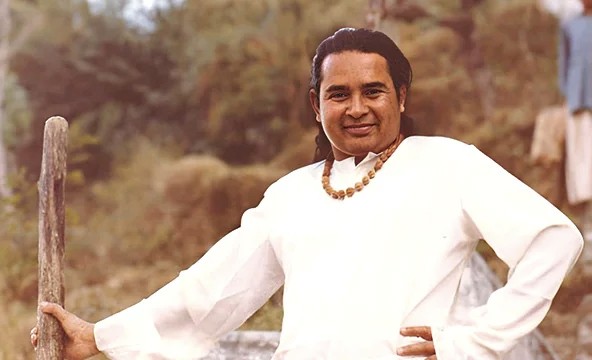
Babaji began to be known in the world after the publication of the book “ Autobiography of a Yogi ” by Parahamansa Yogananda. In those pages, Babaji is described as an immortal yogi, master of masters, committed to guiding humanity since time immemorial, able to manifest himself from age to age through various bodies. In the form of Herakhan Baba , he manifested in the early nineteenth century and left his body in 1922, under miraculous circumstances, in the presence of his disciples. Thanks to the deep sadhana (spiritual practice) and prayers of a great yogi who answered the name of Sri Mahendra Maharaj , Babaji manifested himself again in the seventies of the last century, in a cave at the foot of Mount Adi Kailash in the foothills of the Himalayas. He arrived in the body of a young and powerful yogi, who looked eighteen, twenty years old.
During the 14 years of its last manifestation, people from all over the world were called to Herakhan through a series of often miraculous coincidences, and this continues to happen today. Not long after, He ascended to the summit of Mount Adi Kailash, where He sat in yoga posture for 45 days without eating. Thus began His mission as Bhole Baba , “the Simple Father.”
In his previous incarnation, Pujya Babaji had built a small temple just across the river from the cave where he had manifested. The name of this village, Herakhan , is rapidly spreading throughout the world. Babaji had called Haidakhan “Vishwa Mahadham ,” meaning “ The Greatest Place in the Universe ."
He is not an ordinary human being, nor even a saint. In reality, he is present in the hearts of all living beings, and in the very fabric of life itself. Therefore, Babaji is accessible to anyone who calls upon him with sincere desire.
He came in these difficult times because humanity is in great danger. Babaji came to revive " Sanatan Dharma ," the eternal law of creation, the root of all religions.
Haidakhan Babaji didn't speak much, but he showed us a way to live in harmony with the divine. His essential message is simple and direct:
Live in Truth, Simplicity, and Love , serve humanity and the entire creation by doing " Karma Yoga ," selfless service, and remember the name of God.
He also gave us the mantra “ Om Namah Shivay ” ॐ नमः शिवाय
(literally meaning “I surrender to God”) to repeat aloud or silently.
Babaji entered maha-samadhi (abandoning the body) on February 14, 1984, Valentine's Day. He had come to deliver a message to the world, and having completed his work, he left his physical form.
This is one of his most beautiful messages: “ I am always with you .”
The Core Teaching
Babaji’s message was remarkably simple and direct. He taught that spiritual life is not separate from daily life but is expressed through the way we live, work, and serve others. These principles form the spiritual foundation of the Haidakhandi tradition and guide the life of Pohoiki Ashram.
The foundation of his teaching rests on three principles:
Truth
Living honestly and courageously in alignment with what is right.
Simplicity
Reducing unnecessary complexity and returning to a life that is natural and sincere.
Love
Serving others and recognizing the divine presence in all beings.
Work Is Worship
One of Babaji’s central teachings is that spiritual realization comes through action performed in the spirit of service. This practice is known as karma yoga. Rather than withdrawing from the world, Babaji encouraged his devotees to work actively for the benefit of others while maintaining remembrance of God. Through service to the land, the community, and those in need, ordinary activity becomes a path of spiritual growth.
Babaji often reminded devotees that:
“Work is Worship.”
The Mantra: Om Namah Shivaya
Babaji encouraged the repetition of the ancient Sanskrit mantra: Om Namah Shivaya ॐ नमः शिवाय
This mantra is traditionally translated as: “I bow to the divine within.” Babaji taught that repeating the divine name helps quiet the mind and keeps the heart centered in spiritual awareness. Devotees are encouraged to repeat the mantra during prayer, meditation, and even while performing daily work.
A Life of Prayer and Service
During Babaji’s time in Haidakhan, the daily rhythm of life followed a simple spiritual pattern:
Morning began with aarti (devotional chanting).
The day was devoted to karma yoga, working together in service.
Evening concluded with aarti and prayer.
This rhythm continues today in ashrams globally throughout the Haidakhandi tradition.
Pohoiki Ashram follows the same structure, integrating prayer, service, and community into daily life.
The Haidakhandi Samaj
The Haidakhandi Samaj is the organization established to preserve Babaji’s teachings and maintain the primary ashrams connected with his work. Its main centers are located in the Himalayan region of northern India, including the Haidakhan and Chilliyanaula ashrams. Through temples, devotional gatherings, and charitable activities, the Samaj continues to share Babaji’s message and support communities throughout India and around the world. More information can be found at:
https://haidakhandisamaj.in/
Our Connection at Pohoiki Ashram
Pohoiki Ashram honors this lineage and seeks to live Babaji’s teachings through daily practice. Our life here follows the same essential principles:
• daily aarti at sunrise and sunset
• karma yoga through service to the land
• repetition of the divine name
• community rooted in truth, simplicity, and love
The work of building and caring for this ashram is itself part of the spiritual path.
A Living Tradition
Babaji’s message continues to inspire spiritual communities around the world. At its heart, the teaching is simple:
Live truthfully.
Serve selflessly.
Remember the divine.
In this way, every action of life becomes part of the path.
Who is Haidakhan Babaji
Babaji began to be known in the world after the publication of the book “ Autobiography of a Yogi ” by Parahamansa Yogananda. In those pages, Babaji is described as an immortal yogi, master of masters, committed to guiding humanity since time immemorial, able to manifest himself from age to age through various bodies. In the form of Herakhan Baba , he manifested in the early nineteenth century and left his body in 1922, under miraculous circumstances, in the presence of his disciples. Thanks to the deep sadhana (spiritual practice) and prayers of a great yogi who answered the name of Sri Mahendra Maharaj , Babaji manifested himself again in the seventies of the last century, in a cave at the foot of Mount Adi Kailash in the foothills of the Himalayas. He arrived in the body of a young and powerful yogi, who looked eighteen, twenty years old.
During the 14 years of its last manifestation, people from all over the world were called to Herakhan through a series of often miraculous coincidences, and this continues to happen today. Not long after, He ascended to the summit of Mount Adi Kailash, where He sat in yoga posture for 45 days without eating. Thus began His mission as Bhole Baba , “the Simple Father.”
In his previous incarnation, Pujya Babaji had built a small temple just across the river from the cave where he had manifested. The name of this village, Herakhan , is rapidly spreading throughout the world. Babaji had called Haidakhan “Vishwa Mahadham ,” meaning “ The Greatest Place in the Universe ."
He is not an ordinary human being, nor even a saint. In reality, he is present in the hearts of all living beings, and in the very fabric of life itself. Therefore, Babaji is accessible to anyone who calls upon him with sincere desire.
He came in these difficult times because humanity is in great danger. Babaji came to revive " Sanatan Dharma ," the eternal law of creation, the root of all religions.
Haidakhan Babaji didn't speak much, but he showed us a way to live in harmony with the divine. His essential message is simple and direct:
Live in Truth, Simplicity, and Love , serve humanity and the entire creation by doing " Karma Yoga ," selfless service, and remember the name of God.
He also gave us the mantra “ Om Namah Shivay ” ॐ नमः शिवाय
(literally meaning “I surrender to God”) to repeat aloud or silently.
Babaji entered maha-samadhi (abandoning the body) on February 14, 1984, Valentine's Day. He had come to deliver a message to the world, and having completed his work, he left his physical form.
This is one of his most beautiful messages: “ I am always with you .”
The Core Teaching
Babaji’s message was remarkably simple and direct. He taught that spiritual life is not separate from daily life but is expressed through the way we live, work, and serve others. These principles form the spiritual foundation of the Haidakhandi tradition and guide the life of Pohoiki Ashram.
The foundation of his teaching rests on three principles:
Truth
Living honestly and courageously in alignment with what is right.
Simplicity
Reducing unnecessary complexity and returning to a life that is natural and sincere.
Love
Serving others and recognizing the divine presence in all beings.
Work Is Worship
One of Babaji’s central teachings is that spiritual realization comes through action performed in the spirit of service. This practice is known as karma yoga. Rather than withdrawing from the world, Babaji encouraged his devotees to work actively for the benefit of others while maintaining remembrance of God. Through service to the land, the community, and those in need, ordinary activity becomes a path of spiritual growth.
Babaji often reminded devotees that:
“Work is Worship.”
The Mantra: Om Namah Shivaya
Babaji encouraged the repetition of the ancient Sanskrit mantra: Om Namah Shivaya ॐ नमः शिवाय
This mantra is traditionally translated as: “I bow to the divine within.” Babaji taught that repeating the divine name helps quiet the mind and keeps the heart centered in spiritual awareness. Devotees are encouraged to repeat the mantra during prayer, meditation, and even while performing daily work.
A Life of Prayer and Service
During Babaji’s time in Haidakhan, the daily rhythm of life followed a simple spiritual pattern:
Morning began with aarti (devotional chanting).
The day was devoted to karma yoga, working together in service.
Evening concluded with aarti and prayer.
This rhythm continues today in ashrams globally throughout the Haidakhandi tradition.
Pohoiki Ashram follows the same structure, integrating prayer, service, and community into daily life.
The Haidakhandi Samaj
The Haidakhandi Samaj is the organization established to preserve Babaji’s teachings and maintain the primary ashrams connected with his work. Its main centers are located in the Himalayan region of northern India, including the Haidakhan and Chilliyanaula ashrams. Through temples, devotional gatherings, and charitable activities, the Samaj continues to share Babaji’s message and support communities throughout India and around the world. More information can be found at:
https://haidakhandisamaj.in/
Our Connection at Pohoiki Ashram
Pohoiki Ashram honors this lineage and seeks to live Babaji’s teachings through daily practice. Our life here follows the same essential principles:
• daily aarti at sunrise and sunset
• karma yoga through service to the land
• repetition of the divine name
• community rooted in truth, simplicity, and love
The work of building and caring for this ashram is itself part of the spiritual path.
A Living Tradition
Babaji’s message continues to inspire spiritual communities around the world. At its heart, the teaching is simple:
Live truthfully.
Serve selflessly.
Remember the divine.
In this way, every action of life becomes part of the path.

Pohoiki Ashram welcomes visitors to experience daily aarti, karma yoga, and spiritual community on the Big Island of Hawaiʻi near Pohoiki. Guests are invited to join prayer, service to the land, and simple communal living in the Babaji tradition.
Youtube
About
Lineage
Babaji
Sanantan Dharma
Dhuni & Havan
Vision
Resources
Aarti
Om Nama Shivaya
Blog
Community
Global Ashrams
Community Guidelines
Waiver
Om Namah Shivaya
ॐ नमः शिवाय

© 2026 Pohoiki Ashram, A Hawai'i 501(c)3, All rights reserved.
Pohoiki Ashram welcomes visitors to experience daily aarti, karma yoga, and spiritual community on the Big Island of Hawaiʻi near Pohoiki. Guests are invited to join prayer, service to the land, and simple communal living in the Babaji tradition.
Youtube
About
Lineage
Babaji
Sanantan Dharma
Dhuni & Havan
Vision
Resources
Aarti
Om Nama Shivaya
Blog
Community
Global Ashrams
Community Guidelines
Waiver
Om Namah Shivaya
ॐ नमः शिवाय
© 2026 Pohoiki Ashram, A Hawai'i 501(c)3, All rights reserved.
Pohoiki Ashram welcomes visitors to experience daily aarti, karma yoga, and spiritual community on the Big Island of Hawaiʻi near Pohoiki. Guests are invited to join prayer, service to the land, and simple communal living in the Babaji tradition.
Youtube
About
Lineage
Babaji
Sanantan Dharma
Dhuni & Havan
Vision
Resources
Aarti
Om Nama Shivaya
Blog
Community
Global Ashrams
Community Guidelines
Waiver
Om Namah Shivaya
ॐ नमः शिवाय
© 2026 Pohoiki Ashram, A Hawai'i 501(c)3,
All rights reserved.