
Community Guidelines
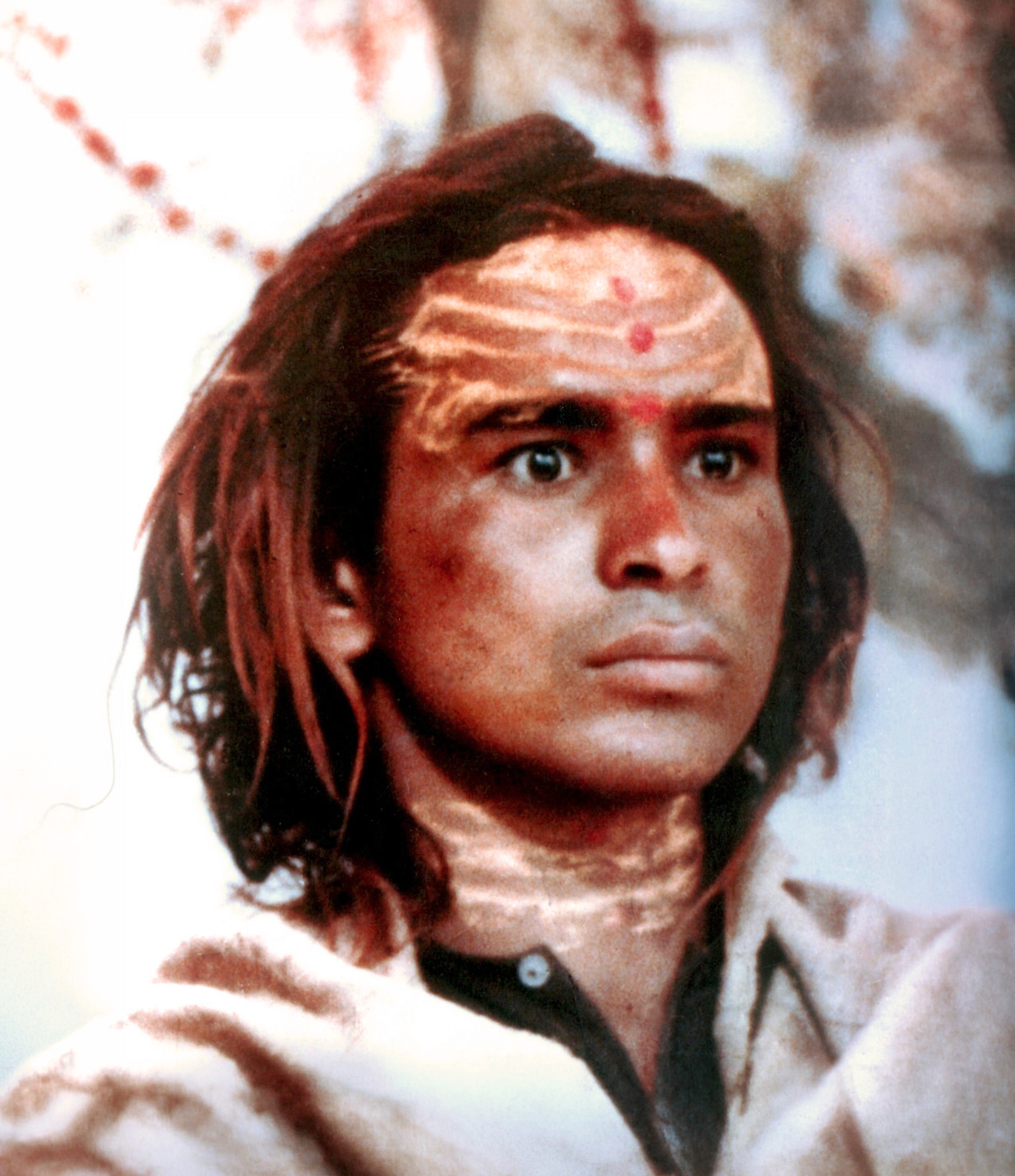
Pohoiki Ashram is a place of prayer, service, and spiritual practice. The community follows the teachings of Shri Haidakhan Babaji, emphasizing Truth, Simplicity, and Love, and lives by the principle that Work is Worship. Visitors are warmly welcomed to share in the life of the ashram. In order to maintain a peaceful and respectful environment for everyone, we ask all visitors to agree to the following community guidelines.
Pohoiki Ashram is a place of prayer, service, and spiritual practice. The community follows the teachings of Shri Haidakhan Babaji, emphasizing Truth, Simplicity, and Love, and lives by the principle that Work is Worship. Visitors are warmly welcomed to share in the life of the ashram. In order to maintain a peaceful and respectful environment for everyone, we ask all visitors to agree to the following community guidelines.
Pohoiki Ashram is a place of prayer, service, and spiritual practice. The community follows the teachings of Shri Haidakhan Babaji, emphasizing Truth, Simplicity, and Love, and lives by the principle that Work is Worship. Visitors are warmly welcomed to share in the life of the ashram. In order to maintain a peaceful and respectful environment for everyone, we ask all visitors to agree to the following community guidelines.
1. Respect for the Spiritual Nature of the Ashram
Pohoiki Ashram is a spiritual community. Visitors are asked to respect the sacred nature of the space and the practices that take place here.
This includes:
respecting prayer and meditation times
maintaining a peaceful and considerate presence
approaching the land and community with humility and care
2. Participation in the Daily Rhythm
Life at the ashram follows a simple rhythm of prayer, service, and community.
Visitors are invited to participate in this rhythm, including:
morning aarti before sunrise
evening aarti at sunset
karma yoga (service work on the land)
shared meals and community activities
Participation helps sustain the life of the ashram and creates a meaningful experience for everyone.
3. Spirit of Service (Seva)
Work on the land is an important part of life at Pohoiki Ashram.
Visitors may be invited to help with activities such as:
gardening or farming
land stewardship
moving natural materials such as lava stone
preparing meals
cleaning or maintaining shared spaces
These activities are performed in the spirit of karma yoga, where service itself becomes part of spiritual practice.
4. Simplicity of Living
Life at the ashram is intentionally simple.
Visitors should be prepared for:
outdoor environments
shared responsibilities
simple vegetarian meals
camping accommodations for overnight stays
This simplicity allows space for reflection, connection, and meaningful work.
5. Respect for the Land
The land at Pohoiki Ashram is young volcanic land formed by the 2018 lava flow.
Visitors are asked to treat the land with respect and care by:
staying mindful of natural terrain
avoiding unnecessary disturbance of the landscape
supporting efforts to care for the land through service
The ashram is being built in partnership with the land itself.
6. Community Conduct
To maintain a peaceful and respectful environment, the following are not permitted on the property:
alcohol
recreational drugs
illegal substances
weapons
aggressive or disruptive behavior
Visitors are expected to treat others with kindness, patience, and respect.
7. Silence and Reflection
Certain times of day may be observed in quiet reflection, particularly during early mornings and evenings.
Visitors are encouraged to embrace moments of silence and allow space for contemplation.
8. Care for Shared Spaces
Visitors share responsibility for maintaining the ashram environment.
This includes:
helping clean communal areas
caring for tools and materials
leaving spaces better than they were found
9. Children and Families
Families and children are welcome at Pohoiki Ashram.
Parents and guardians are responsible for ensuring that children are supervised and respectful of the community environment.
10. Stewardship of the Community
Pohoiki Ashram is still in its early stages of development. Every visitor who comes here becomes part of the process of shaping the community.
Visitors are encouraged to approach their time at the ashram with:
openness
humility
willingness to help
respect for others
Together we create an environment where spiritual practice and service can flourish.
11. Gratitude and Shared Responsibility
Pohoiki Ashram exists through the generosity, effort, and goodwill of many people.
Visitors who come here are part of that shared effort and help sustain the spirit of the place through their presence and participation.
Acknowledgment
By visiting Pohoiki Ashram, visitors acknowledge that they have read and agree to respect this Community Agreement and the spiritual environment it is intended to support.
May all who come here contribute to a spirit of harmony, service, and goodwill.
Shanti Mantra (English)
Let us proceed together
Let us take sustenance together
Let us act courageously together
Let us meditate together on the highest Divine Light,
God let us not quarrel or be jealous of each other
Om peace peace peace
Shanti Mantra (Sanskrit Pronunciation)
Om sahnavavatu
Sah nau bhunaktu
Sah viryam karvavahai
Teja svinava dhitamastu
Mah vidvishavahai
Om Shantih Shantih Shantih
ॐ शान्तिः शान्तिः शान्तिः
1. Respect for the Spiritual Nature of the Ashram
Pohoiki Ashram is a spiritual community. Visitors are asked to respect the sacred nature of the space and the practices that take place here.
This includes:
respecting prayer and meditation times
maintaining a peaceful and considerate presence
approaching the land and community with humility and care
2. Participation in the Daily Rhythm
Life at the ashram follows a simple rhythm of prayer, service, and community.
Visitors are invited to participate in this rhythm, including:
morning aarti before sunrise
evening aarti at sunset
karma yoga (service work on the land)
shared meals and community activities
Participation helps sustain the life of the ashram and creates a meaningful experience for everyone.
3. Spirit of Service (Seva)
Work on the land is an important part of life at Pohoiki Ashram.
Visitors may be invited to help with activities such as:
gardening or farming
land stewardship
moving natural materials such as lava stone
preparing meals
cleaning or maintaining shared spaces
These activities are performed in the spirit of karma yoga, where service itself becomes part of spiritual practice.
4. Simplicity of Living
Life at the ashram is intentionally simple.
Visitors should be prepared for:
outdoor environments
shared responsibilities
simple vegetarian meals
camping accommodations for overnight stays
This simplicity allows space for reflection, connection, and meaningful work.
5. Respect for the Land
The land at Pohoiki Ashram is young volcanic land formed by the 2018 lava flow.
Visitors are asked to treat the land with respect and care by:
staying mindful of natural terrain
avoiding unnecessary disturbance of the landscape
supporting efforts to care for the land through service
The ashram is being built in partnership with the land itself.
6. Community Conduct
To maintain a peaceful and respectful environment, the following are not permitted on the property:
alcohol
recreational drugs
illegal substances
weapons
aggressive or disruptive behavior
Visitors are expected to treat others with kindness, patience, and respect.
7. Silence and Reflection
Certain times of day may be observed in quiet reflection, particularly during early mornings and evenings.
Visitors are encouraged to embrace moments of silence and allow space for contemplation.
8. Care for Shared Spaces
Visitors share responsibility for maintaining the ashram environment.
This includes:
helping clean communal areas
caring for tools and materials
leaving spaces better than they were found
9. Children and Families
Families and children are welcome at Pohoiki Ashram.
Parents and guardians are responsible for ensuring that children are supervised and respectful of the community environment.
10. Stewardship of the Community
Pohoiki Ashram is still in its early stages of development. Every visitor who comes here becomes part of the process of shaping the community.
Visitors are encouraged to approach their time at the ashram with:
openness
humility
willingness to help
respect for others
Together we create an environment where spiritual practice and service can flourish.
11. Gratitude and Shared Responsibility
Pohoiki Ashram exists through the generosity, effort, and goodwill of many people.
Visitors who come here are part of that shared effort and help sustain the spirit of the place through their presence and participation.
Acknowledgment
By visiting Pohoiki Ashram, visitors acknowledge that they have read and agree to respect this Community Agreement and the spiritual environment it is intended to support.
May all who come here contribute to a spirit of harmony, service, and goodwill.
Shanti Mantra (English)
Let us proceed together
Let us take sustenance together
Let us act courageously together
Let us meditate together on the highest Divine Light,
God let us not quarrel or be jealous of each other
Om peace peace peace
Shanti Mantra (Sanskrit Pronunciation)
Om sahnavavatu
Sah nau bhunaktu
Sah viryam karvavahai
Teja svinava dhitamastu
Mah vidvishavahai
Om Shantih Shantih Shantih
ॐ शान्तिः शान्तिः शान्तिः
1. Respect for the Spiritual Nature of the Ashram
Pohoiki Ashram is a spiritual community. Visitors are asked to respect the sacred nature of the space and the practices that take place here.
This includes:
respecting prayer and meditation times
maintaining a peaceful and considerate presence
approaching the land and community with humility and care
2. Participation in the Daily Rhythm
Life at the ashram follows a simple rhythm of prayer, service, and community.
Visitors are invited to participate in this rhythm, including:
morning aarti before sunrise
evening aarti at sunset
karma yoga (service work on the land)
shared meals and community activities
Participation helps sustain the life of the ashram and creates a meaningful experience for everyone.
3. Spirit of Service (Seva)
Work on the land is an important part of life at Pohoiki Ashram.
Visitors may be invited to help with activities such as:
gardening or farming
land stewardship
moving natural materials such as lava stone
preparing meals
cleaning or maintaining shared spaces
These activities are performed in the spirit of karma yoga, where service itself becomes part of spiritual practice.
4. Simplicity of Living
Life at the ashram is intentionally simple.
Visitors should be prepared for:
outdoor environments
shared responsibilities
simple vegetarian meals
camping accommodations for overnight stays
This simplicity allows space for reflection, connection, and meaningful work.
5. Respect for the Land
The land at Pohoiki Ashram is young volcanic land formed by the 2018 lava flow.
Visitors are asked to treat the land with respect and care by:
staying mindful of natural terrain
avoiding unnecessary disturbance of the landscape
supporting efforts to care for the land through service
The ashram is being built in partnership with the land itself.
6. Community Conduct
To maintain a peaceful and respectful environment, the following are not permitted on the property:
alcohol
recreational drugs
illegal substances
weapons
aggressive or disruptive behavior
Visitors are expected to treat others with kindness, patience, and respect.
7. Silence and Reflection
Certain times of day may be observed in quiet reflection, particularly during early mornings and evenings.
Visitors are encouraged to embrace moments of silence and allow space for contemplation.
8. Care for Shared Spaces
Visitors share responsibility for maintaining the ashram environment.
This includes:
helping clean communal areas
caring for tools and materials
leaving spaces better than they were found
9. Children and Families
Families and children are welcome at Pohoiki Ashram.
Parents and guardians are responsible for ensuring that children are supervised and respectful of the community environment.
10. Stewardship of the Community
Pohoiki Ashram is still in its early stages of development. Every visitor who comes here becomes part of the process of shaping the community.
Visitors are encouraged to approach their time at the ashram with:
openness
humility
willingness to help
respect for others
Together we create an environment where spiritual practice and service can flourish.
11. Gratitude and Shared Responsibility
Pohoiki Ashram exists through the generosity, effort, and goodwill of many people.
Visitors who come here are part of that shared effort and help sustain the spirit of the place through their presence and participation.
Acknowledgment
By visiting Pohoiki Ashram, visitors acknowledge that they have read and agree to respect this Community Agreement and the spiritual environment it is intended to support.
May all who come here contribute to a spirit of harmony, service, and goodwill.
Shanti Mantra (English)
Let us proceed together
Let us take sustenance together
Let us act courageously together
Let us meditate together on the highest Divine Light,
God let us not quarrel or be jealous of each other
Om peace peace peace
Shanti Mantra (Sanskrit Pronunciation)
Om sahnavavatu
Sah nau bhunaktu
Sah viryam karvavahai
Teja svinava dhitamastu
Mah vidvishavahai
Om Shantih Shantih Shantih
ॐ शान्तिः शान्तिः शान्तिः

Pohoiki Ashram welcomes visitors to experience daily aarti, karma yoga, and spiritual community on the Big Island of Hawaiʻi near Pohoiki. Guests are invited to join prayer, service to the land, and simple communal living in the Babaji tradition.
Youtube
About
Lineage
Babaji
Sanantan Dharma
Dhuni & Havan
Vision
Resources
Aarti
Om Nama Shivaya
Blog
Community
Global Ashrams
Community Guidelines
Waiver
Om Namah Shivaya
ॐ नमः शिवाय

© 2026 Pohoiki Ashram, A Hawai'i 501(c)3, All rights reserved.
Pohoiki Ashram welcomes visitors to experience daily aarti, karma yoga, and spiritual community on the Big Island of Hawaiʻi near Pohoiki. Guests are invited to join prayer, service to the land, and simple communal living in the Babaji tradition.
Youtube
About
Lineage
Babaji
Sanantan Dharma
Dhuni & Havan
Vision
Resources
Aarti
Om Nama Shivaya
Blog
Community
Global Ashrams
Community Guidelines
Waiver
Om Namah Shivaya
ॐ नमः शिवाय
© 2026 Pohoiki Ashram, A Hawai'i 501(c)3, All rights reserved.
Pohoiki Ashram welcomes visitors to experience daily aarti, karma yoga, and spiritual community on the Big Island of Hawaiʻi near Pohoiki. Guests are invited to join prayer, service to the land, and simple communal living in the Babaji tradition.
Youtube
About
Lineage
Babaji
Sanantan Dharma
Dhuni & Havan
Vision
Resources
Aarti
Om Nama Shivaya
Blog
Community
Global Ashrams
Community Guidelines
Waiver
Om Namah Shivaya
ॐ नमः शिवाय
© 2026 Pohoiki Ashram, A Hawai'i 501(c)3,
All rights reserved.