Spritual Practice
The Meaning of Aarti: Light, Devotion, and Daily Practice
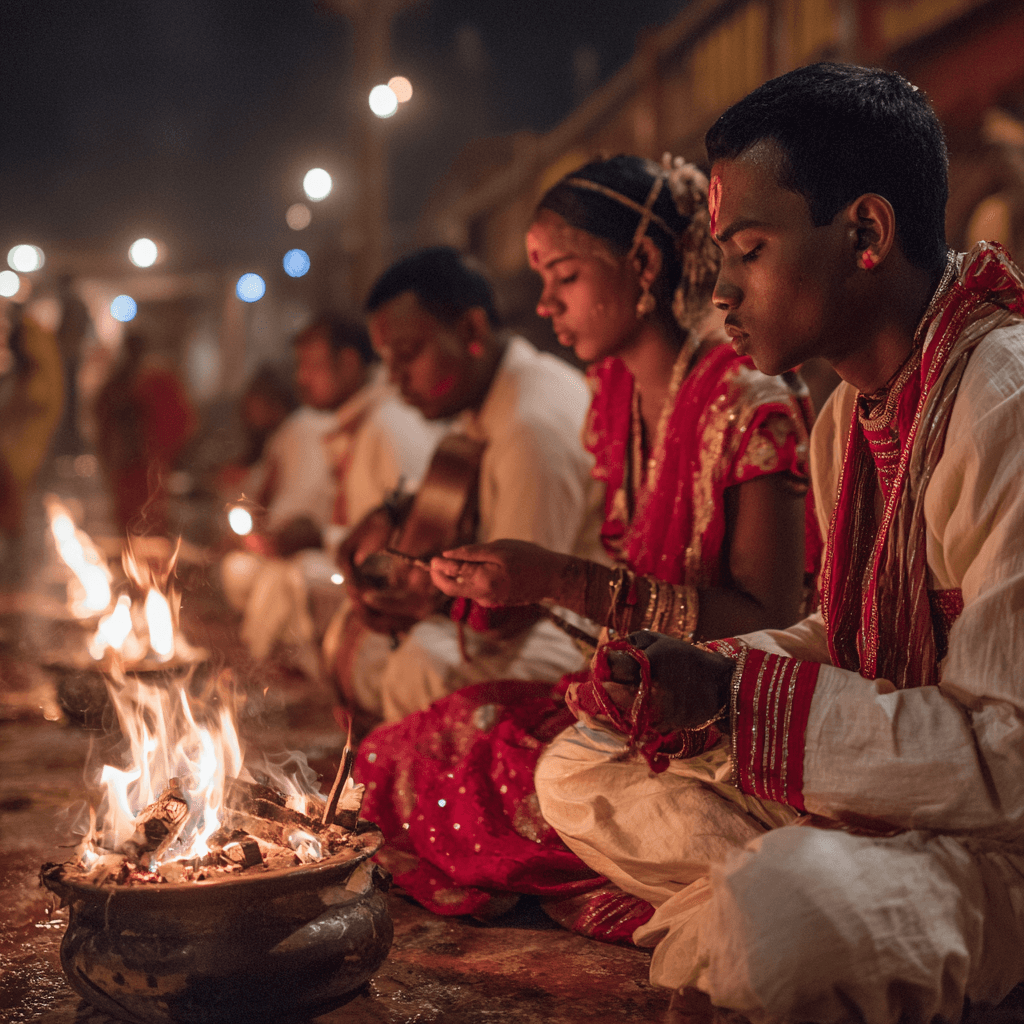
Aarti is one of the most recognizable devotional practices in Hindu spiritual traditions. The ceremony involves offering light, usually from a lamp or flame, to a sacred image, symbol, or altar while prayers and mantras are sung. While the ritual itself is simple, the meaning behind aarti is profound.
The flame used in aarti represents the light of consciousness. When devotees offer this light to the divine, it symbolizes the act of offering one’s own awareness, life, and devotion. The circular motion of the flame reflects the idea that all aspects of life revolve around the divine presence.
Aarti is typically performed at sunrise and sunset, marking the transition between night and day. These moments are traditionally considered powerful times for spiritual practice because they represent natural points of transformation in the rhythm of life.
In many temples and ashrams, aarti is accompanied by singing, bells, and chanting. The collective energy of devotion created by these practices can have a profound effect on those who participate. Even people who are unfamiliar with the tradition often feel a deep sense of peace and reverence during the ceremony.
Within the Babaji tradition, aarti holds a central place in daily practice. Devotees gather to sing the sacred aarti dedicated to Babaji, honoring the divine presence and reaffirming their commitment to the spiritual path. The ceremony serves as both a form of prayer and a reminder of the deeper purpose of life.
At Pohoiki Ashram, daily aarti is envisioned as the heart of community life. Gathering each evening to offer light and song creates a shared rhythm that anchors the day in devotion. Over time, these simple practices cultivate a powerful atmosphere of presence and reverence.
Through the offering of light, aarti reminds us that spiritual life is not separate from daily life. It is a continual process of bringing awareness, gratitude, and devotion into every moment.